leave a message
If you are interested in our products and want to know more details,please leave a message here,we will reply you as soon as we can.
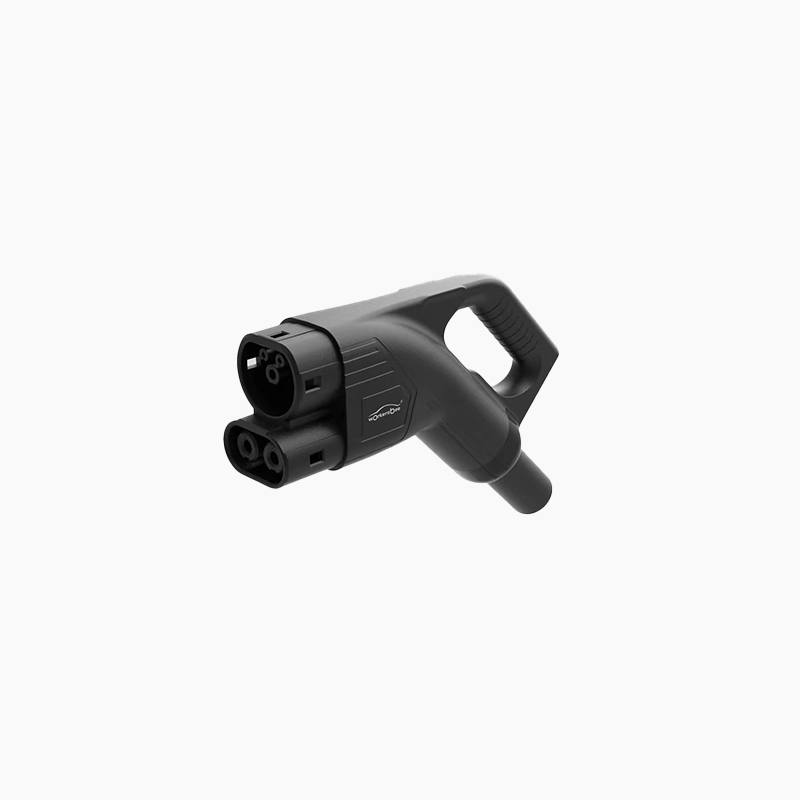
A 400A CCS2 vehicle connector designed for high-current DC charging. This naturally cooled model is suitable for public DC charging stations, commercial charging equipment, and other projects that need 400A-class output with a simpler cable system and lower integration complexity.
Model No. :
WB-IC-DC1.1-400ARated Current :
400ACertificates & Reports :
CB certification and TÜV Rheinland test report availableWorkersbee's 400A CCS2 Gen 1.1 connector is designed for charging projects that need higher current output without adding the complexity of a liquid-cooled cable system. It is a practical fit for public charging stations, commercial charging equipment, and other high-use applications that require stable performance with a simpler maintenance model.
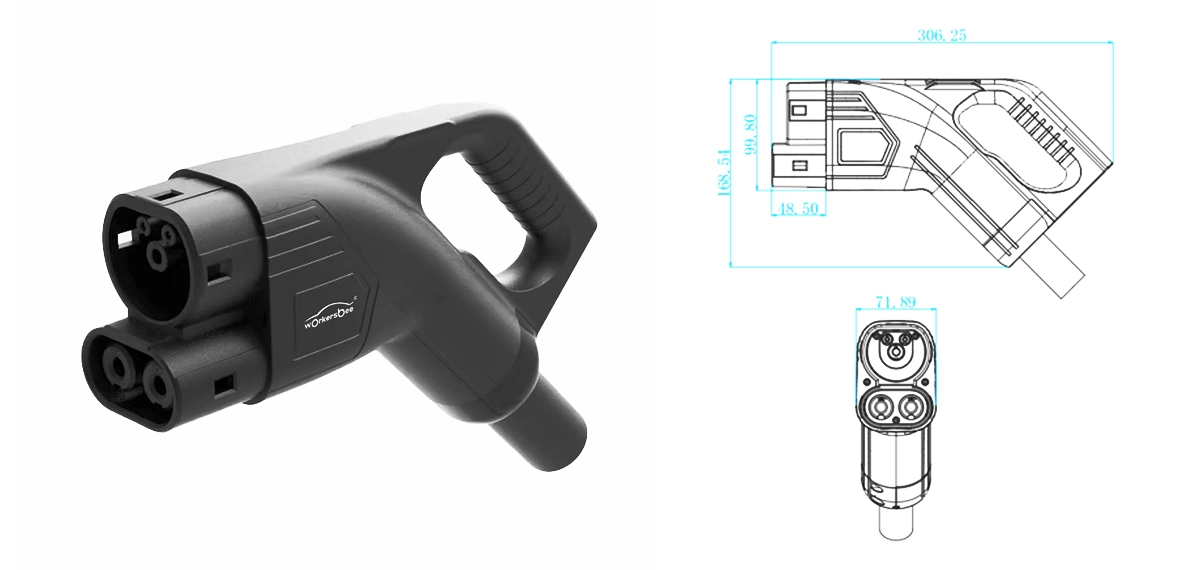
Rated at 400A and 1000V DC, this naturally cooled connector is built for stable high-current charging, with silver-plated power contacts and temperature monitoring on both DC power terminals to support dependable thermal control in daily operation.
For charger manufacturers, integrators, and distributors, the 400A version is easier to integrate into different charging systems. Custom cable and sensor options help match different charger layouts, cabinet structures, and project requirements.
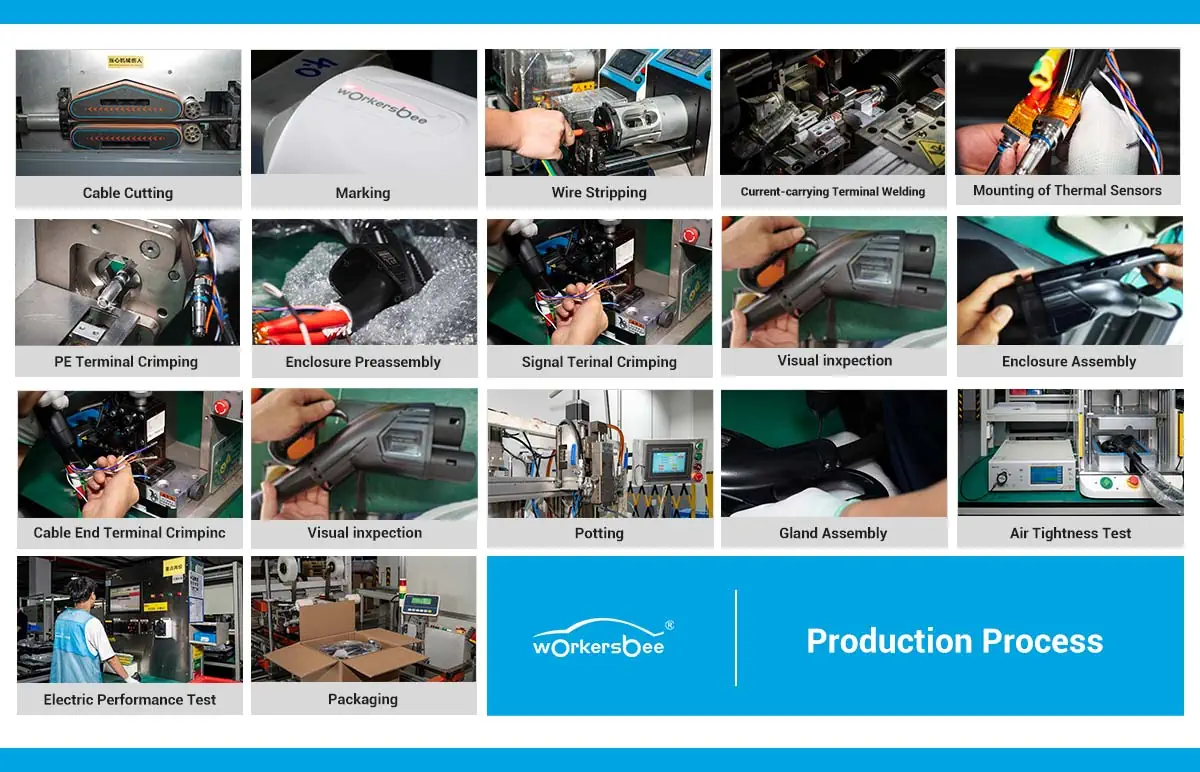
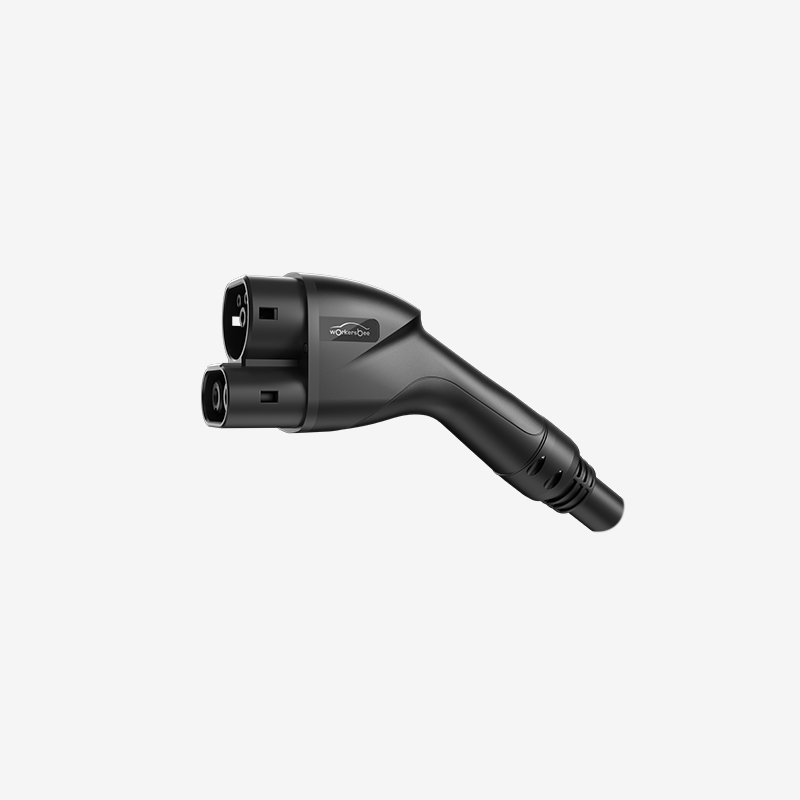
Workersbee liquid-cooled CCS2 DC connectors are available in 300A, 400A, and 500A configurations for high-power EV charging projects.
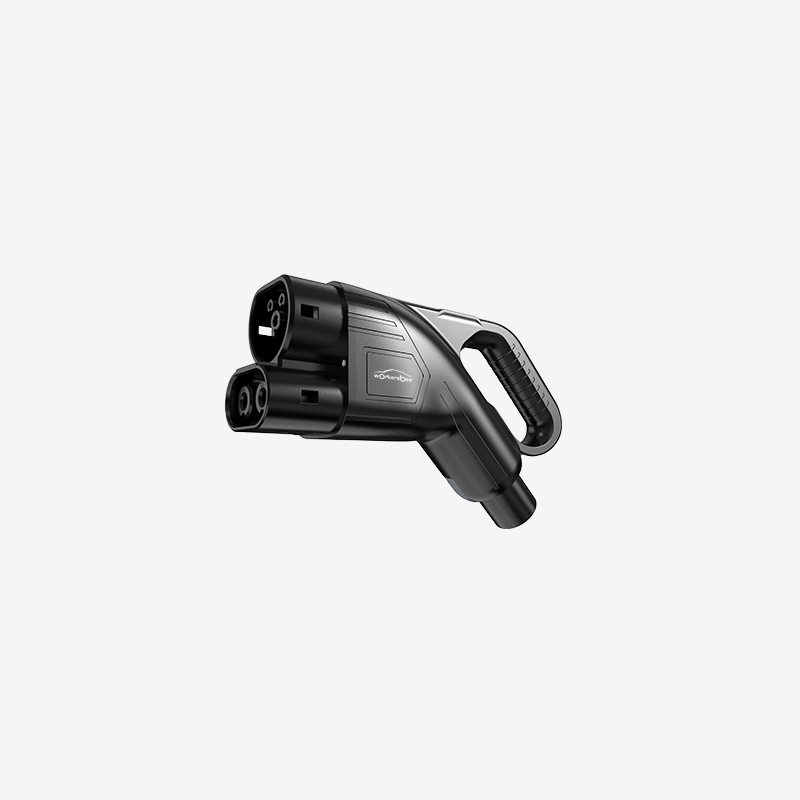
Naturally cooled CCS2 handle for high-throughput DC fast charging. Up to 375A at 1000V with ≤50K terminal temperature rise, IP55 housing, and 10,000+ mating cycles.
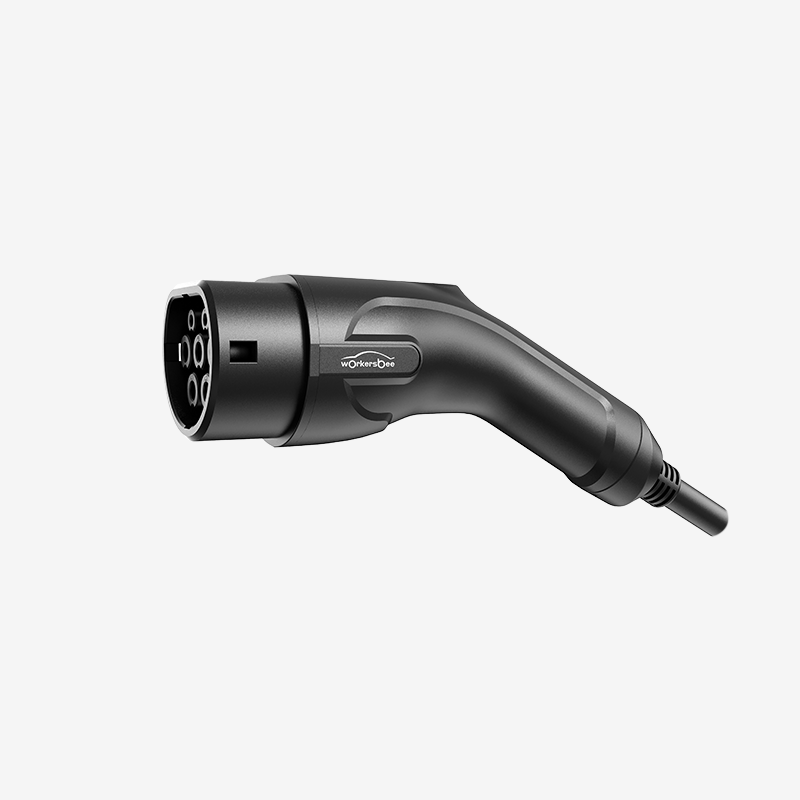
With an ergonomic design, the product fits human hand and is comfortable to hold.
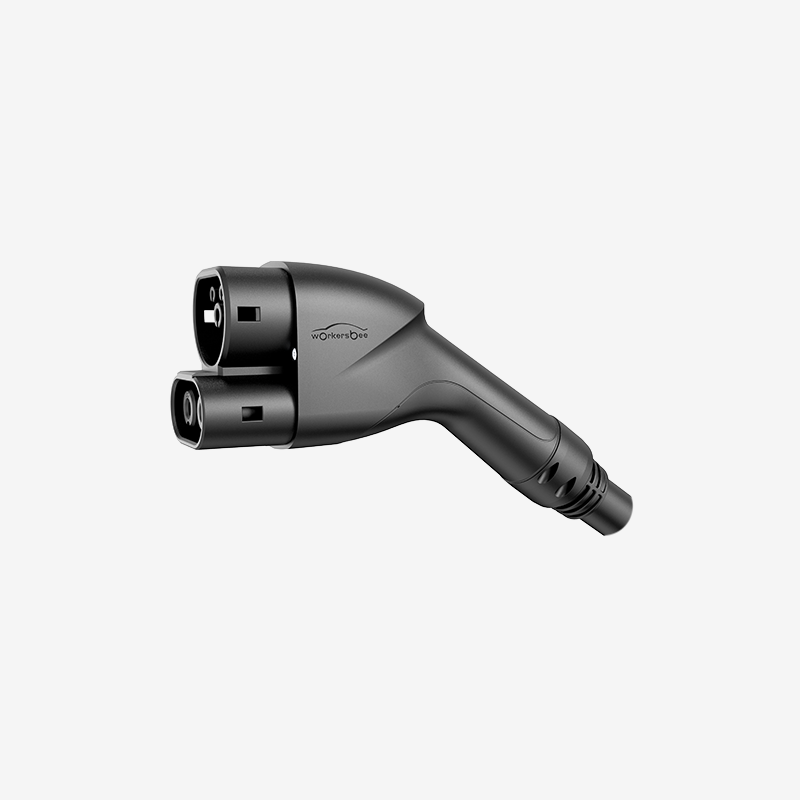
Up to 700A output currentoil-cooled or water-cooled
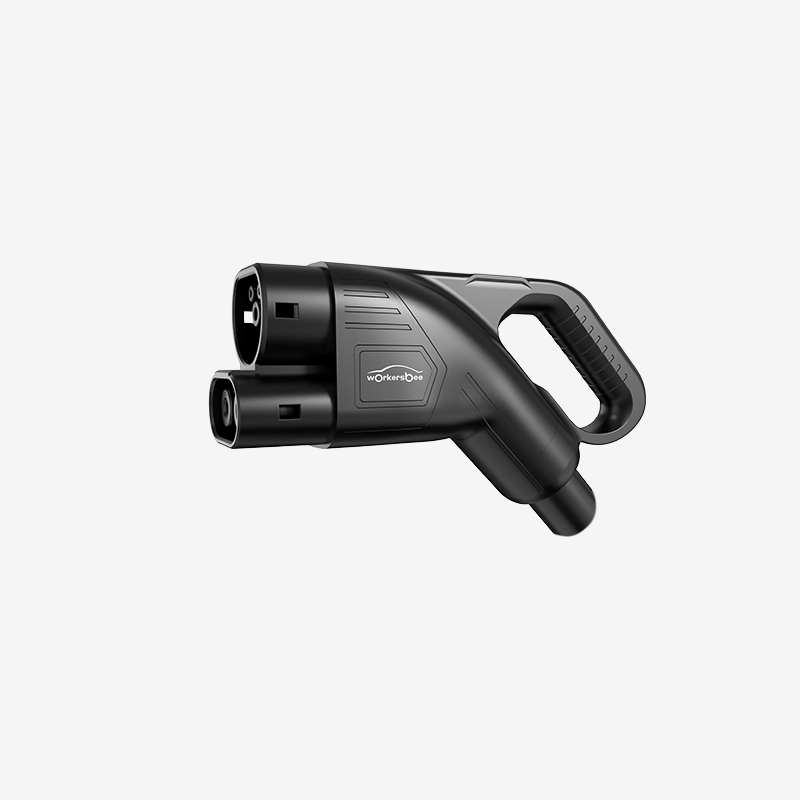
compliant with IEC 62196 standards fast charging with excellent protection perfromance.
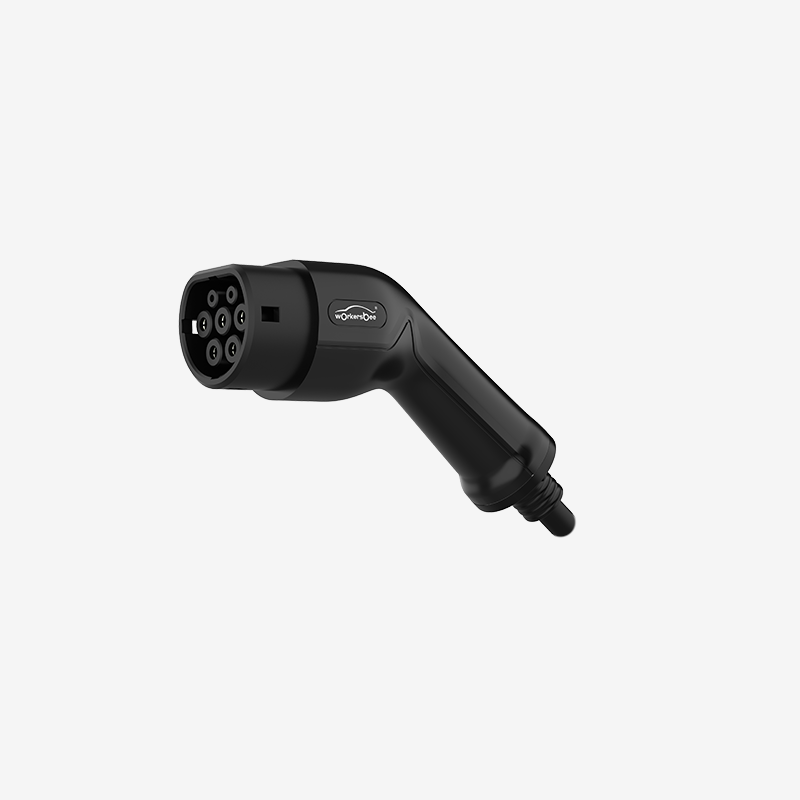
ergonomic design and comfortable grip type 2 ac ev plug
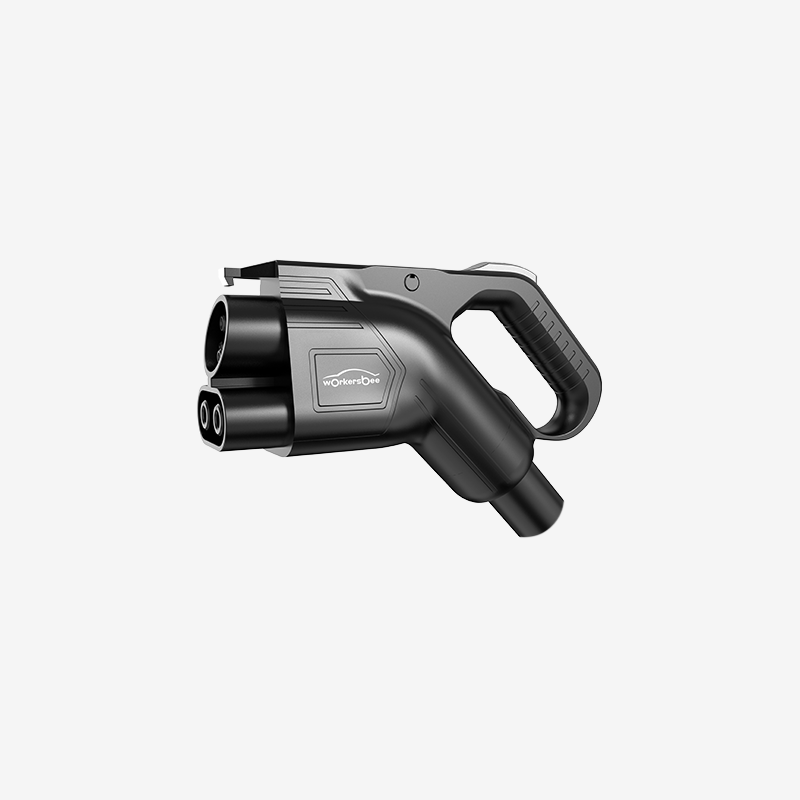
SAE J1772 standards CCS1 EV DC charging plug
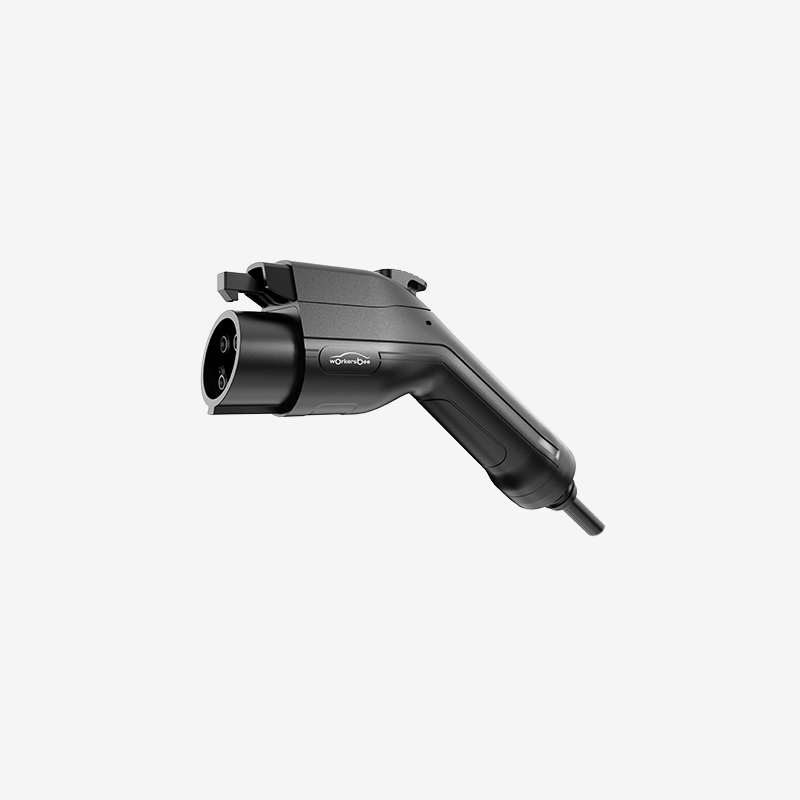
SAE J1772 standards good grasp feel type 1 ev plug
leave a message
Scan To Wechat :

Scan To WhatsApp :





 English