Home

EV Charging Speed

  • Level 1 vs Level 2 Home Charging: Which One Fits Your Life Better? Level 1 vs Level 2 Home Charging: Which One Fits Your Life Better?
    Nov 26, 2025
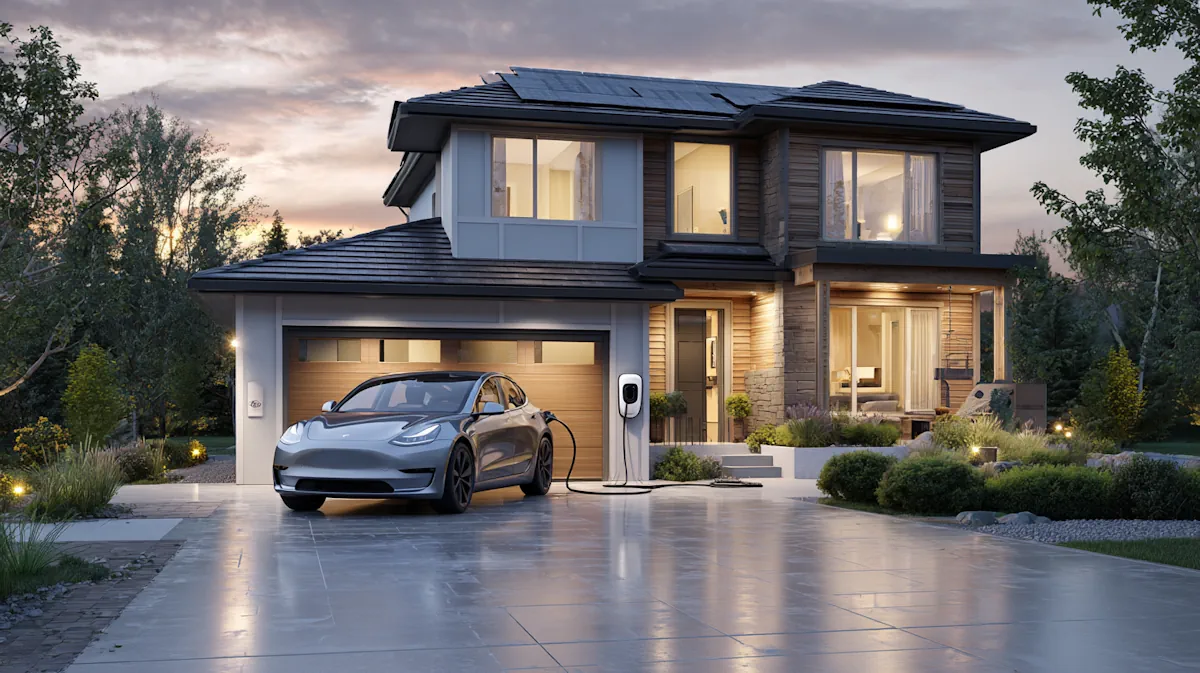
    Many new EV owners go home with two things: a new car and a simple charging cable that plugs into a regular outlet. Then someone mentions a Level 2 wallbox, and the questions start:   Do I really need Level 2, or is the basic cable enough?If I spend the money now, will it actually change my daily life?   If you still feel shaky about the difference between Level 1, Level 2 and DC fast charging in general, it helps to read a full overview of EV charging levels first, then come back to this home-charging decision.     What really changes between Level 1 and Level 2 at home Level 1 home charging Level 1 uses a standard household outlet, typically 120 V in North America. Power is usually around 1–1.9 kW. For many EVs this works out to roughly 3–5 miles (5–8 km) of range added per hour.   It is slow, but simple. You plug in at night, unplug in the morning, and the battery slowly climbs while you sleep. For light daily use, that can be enough.   Level 2 home charging Level 2 uses a dedicated 240 V circuit and an AC EVSE or wallbox. Power typically ranges from about 3.7 kW up to 7.4, 9.6 or 11 kW, depending on the home wiring and the car’s onboard charger.   At these levels, many cars gain 15–35 miles (25–55 km) of range per hour. One evening can refill what you used over a busy day. An overnight session can restore several days of commuting.   How the experience feels different The change between Level 1 and Level 2 shows up in habits: • How many hours you need plugged in to replace a day of driving • Whether you can skip a night of charging and still feel relaxed • How often you rely on public charging to catch up   With Level 1, charging is a slow, steady background drip. With Level 2, charging has more “punch”; a few evening hours can do what used to take most of the night.     Charging speed: Level 1 vs Level 2 Before you choose, look at how power turns into range and time. The table below uses a mid-size EV with a battery around 60 kWh as a reference. Numbers are rounded to show the pattern, not exact for every model.   Home charging options compared Home charging option Typical power Range added per hour (approx.) Time from 20% to 80% (approx.) Typical use case Level 1 (standard outlet) 1.4–1.9 kW 3–5 miles / 5–8 km 20–30 hours Very light use, backup, second car Moderate Level 2 wallbox 3.7–4.6 kW 12–18 miles / 20–30 km 8–12 hours Modest commutes, long nightly parking Common Level 2 home wallbox 7.2–7.4 kW 25–30 miles / 40–50 km 4–6 hours Main family car, mixed city and highway driving   Two quick examples: About 30 miles (50 km) a day • Level 1: roughly 6–10 hours of plug-in time to get that back. • 7.4 kW Level 2: about 1–2 hours is enough.     About 70–80 miles (110–130 km) a day • Level 1: may need more than one long night to catch up from a low state of charge. • Level 2: can comfortably recover that distance overnight, even if you start charging late.   If your daily driving is short and predictable, Level 1 can keep up. The more mileage and variation you have, the more useful Level 2 becomes. Installation, panel capacity and cost: what changes with each level   Using Level 1 every day A plug-in cable in a wall socket is convenient, but for long-term daily use it is worth having an electrician check a few points: • The outlet should be in good condition, not cracked or discolored • The wiring should be suitable for continuous load at the chosen current • The circuit should not also feed several other heavy appliances   Long extension cords, coiled leads and multi-plug adapters are not ideal for EV charging. They add resistance and heat, especially over many hours. If the socket is far from the parking spot, a dedicated outlet or charging point is a safer plan than a chain of adapters.   Installing Level 2 at home Level 2 needs more planning, but the process is straightforward when the basics are in place: • A 240 V circuit with the right breaker size in the panel • Cable sized correctly for the distance to the parking spot • A safe mounting position for the wallbox indoors or outdoors • Permits and inspection, where local rules require them   An electrician can tell you whether there is spare capacity in the panel, how complex the cable route will be, and whether load management is needed so that the charger reduces power when the home is using a lot of electricity elsewhere.     Older homes and tight panels In older houses or apartments, the panel may already be busy. That does not rule out Level 2, but it may shape the choice: • Lower-power Level 2 can fit where a high-power unit would overload the system • Smart charging can cap current or react to other loads • A future panel upgrade can be planned when more EVs or electric appliances arrive   On the cost side, Level 1 mostly uses what is there. Level 2 adds the cost of hardware and installation, which can be modest if the panel and parking spot are close or higher if cable runs are long and walls are finished. Over time, being able to rely on home Level 2 and off-peak tariffs can also reduce how often you need to pay for public charging.   When Level 1 is genuinely enough Level 1 has a place. It can be a long-term solution when several conditions are true: • Average daily distance is low, for example under 20–30 km • The EV is a second car for local errands and short commutes • The car can stay parked overnight for 10–12 hours most days • There is little need to recover a very deep discharge in a single night   In that case, Level 1 simply becomes a quiet habit: plug in most nights, and the car is ready every morning without much thought. A practical way to test this is to start with Level 1 and watch for a month or two: • How often do you wake up with less range than you would like? • How often do you feel forced to find a public charger just to catch up?   If the answer is “almost never”, then Level 1 may already be all you need.   When Level 2 makes life noticeably easier Level 2 deserves serious attention when: • Daily or weekly mileage is high • One EV is the main car for most trips in the household • Work, school or family schedules leave shorter charging windows • You want more flexibility for last-minute plans or weekend getaways   In these situations, Level 2 changes the rhythm. You can come home late, plug in for a few hours, and still have a comfortable buffer by morning. You are less dependent on finding a free public charger at the right time.     A simple checklist to decide If you answer “yes” to three or more, Level 2 is very likely worth the investment: • My typical weekday round trip is above about 50 km • I often drive several separate trips on the same day • I cannot always leave the car plugged in for 10–12 hours at home • I plan to keep this EV for several years and expect mileage to stay high • I may add a second EV to the household within the next two or three years   If most answers are “no” and your driving is light and predictable, a well-installed Level 1 solution can remain a sensible and economical choice.   If you also look after company cars or pool vehicles, you can use our guide on what level of EV charging fleets really need to plan depot and workplace charging.     Home charging solutions from Workersbee Different homes and driving patterns call for different hardware. Some drivers benefit from flexible, portable equipment that can follow them between outlets. Others need a fixed unit that becomes part of the driveway or garage.   Workersbee supports both approaches with portable EV chargers for home use. Installers can match these options to local grid conditions, plug standards and panel capacity so that home charging remains safe, reliable and convenient over the long term.   If you are curious how the hardware changes when you move from home AC charging to high-power DC fast charging, our AC vs DC EV charging hardware guide explains what happens inside the connector and cable.     FAQs: common home charging questions Is Level 1 charging bad for my EV battery?Level 1 uses low power and is generally gentle on the battery. The battery management system controls charging in the same way as with Level 2, as long as temperature and state of charge stay within normal ranges.   Can I use an extension cord for Level 1 home charging?Most extension cords are not designed for continuous high load. They can overheat, especially when coiled. For regular home charging it is safer to use a dedicated outlet or charging point installed by an electrician.   Do I still need Level 2 if I can charge at work?Reliable workplace charging reduces the pressure on home charging, but life does not always follow office hours. A home Level 2 charger gives flexibility for early starts, late returns and days when workplace chargers are busy or out of service.   Is it okay to start with Level 1 and upgrade later?Yes. Many owners start with Level 1 to understand their driving pattern and the local charging network. When they feel that charging is holding them back, they upgrade to Level 2 with a clearer view of what they actually need.
    Read More
  • EV Charging Levels Explained: Level 1, Level 2 and DC Fast Charging EV Charging Levels Explained: Level 1, Level 2 and DC Fast Charging
    Nov 25, 2025
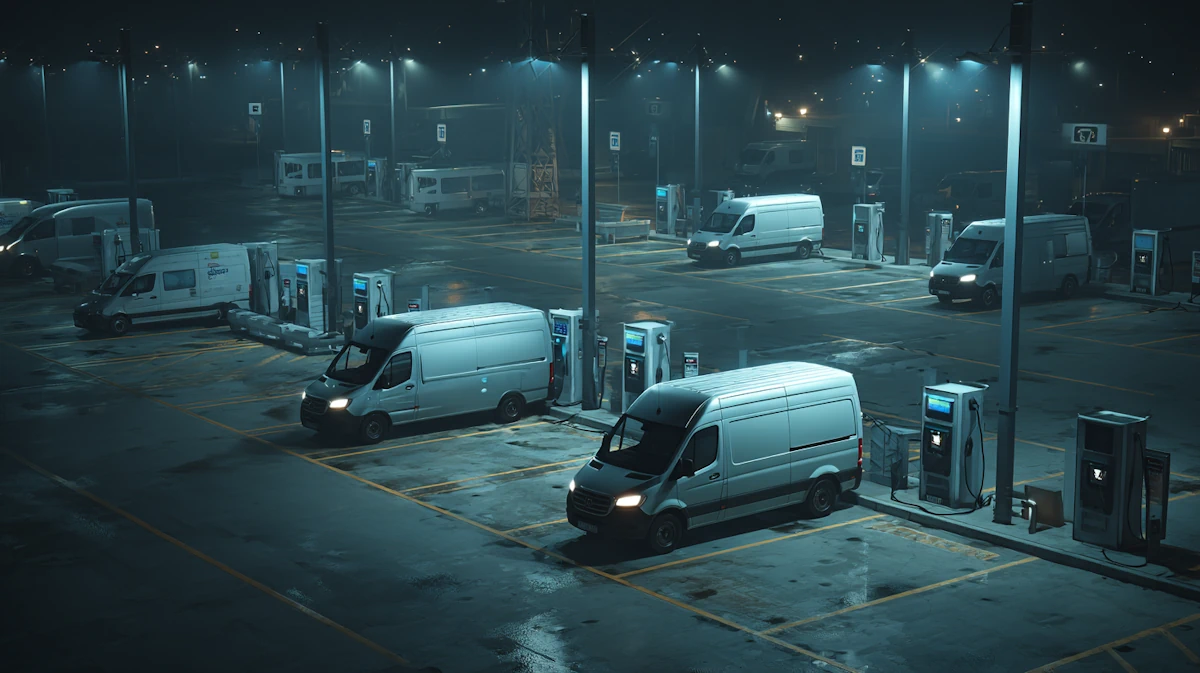
    Why EV charging levels matter more than just “slow, medium, fast”Most drivers hear Level 1, Level 2, DC fast charging and translate that as slow, medium, fast. In reality, each level is tied to a different power range, cost, and use case. The right level can turn charging into a background task you barely notice. The wrong level can mean queues at fast chargers, higher running costs, or a wallbox that is overkill for your driving pattern.   Charging levels affect daily life in three main ways: how long the car stays parked, how much energy it needs in that window, and how much you want to spend on hardware and grid capacity.   What the three EV charging levels actually areCharging levels are a simple way to group power ranges that show up again and again in the real world.   Level 1 charging: slow backup from a household outlet• Uses a standard household outlet in markets with 120 V supply• Power around 1–2 kW• Best for very light use and backup charging   Level 2 charging: everyday home and workplace charging• Uses a dedicated circuit at 208–240 V (single phase) or 400 V (three phase)• Power typically 3.7–22 kW depending on grid and hardware• Covers most daily home and workplace charging   DC fast charging: high power when time is tight• Uses dedicated DC equipment that converts power inside the station• Power from about 50 kW up to several hundred kilowatts• Used on highways, busy depots and sites where time is tight   AC versus DC chargingFor AC charging, the car does the heavy lifting. The wallbox or charge point delivers AC power, and the car’s onboard charger converts that to DC at a limited rate. This keeps hardware small and affordable, which is ideal in homes and many workplace or destination car parks.   For DC fast charging, the station converts AC grid power to DC and manages a much higher current directly into the battery. The car shares its preferred voltage and current limits, and the station follows that profile. This moves cost and complexity out of the vehicle and into the infrastructure, which is why DC equipment is larger, heavier, and more expensive, but also able to deliver very high power.   AC levels decide how fast a car can charge based on its onboard charger and the circuit feeding it. DC fast charging depends more on the station’s capability, the battery state of charge, and temperature limits.   Level 1 EV charging: when very slow is still enoughLevel 1 uses a standard low-power outlet, common in regions with 120 V mains. The power is usually around 1–1.9 kW. That can translate to roughly 3–5 miles of range per hour for many cars.   This sounds slow, but there are use cases where Level 1 works:• Short daily commutes and low yearly mileage• Cars parked at home for 10–12 hours almost every night• Second cars that move very little during the week   Advantages• Almost zero installation cost if the circuit is already safe and dedicated• Very gentle on the grid and often on the battery as well   Limits• Large battery packs can take days to refill from low state of charge• Not suitable where several drivers share one parking spot or have irregular shift patterns• In many markets, regulations and safety rules limit how casually a household socket can be used for long charging sessions   Level 1 makes sense when driving needs are predictable and modest and when the home’s electrical system cannot easily support higher power.   Level 2 EV charging: the everyday sweet spot for home and workplaceFor most drivers with access to off-street parking, Level 2 is the practical target. It uses a dedicated circuit and EVSE at 208–240 V single phase or up to 400 V three phase in many regions. Typical power spans from 3.7 kW up to 11 or 22 kW, depending on grid and hardware.   At these powers, an overnight session can comfortably refill the battery after a long day. For example, a 7.4 kW charger can often add around 25–30 miles of range per hour, which is enough to recover well over 150 miles in six hours for many vehicles.     Common use cases• Home wallboxes for one or two cars• Workplace charging where cars remain parked for several hours• Hotels, shopping centers, and public car parks focused on park and charge while you do something else   Benefits• Overnight charging covers almost any daily commute• Power levels match the way cars already park and rest• Installation cost and grid impact remain manageable in most residential and commercial buildings   Limits• Requires a dedicated circuit and suitable panel capacity• May need professional installation and local inspection• For very high annual mileage or multi-shift fleets, Level 2 alone may be too slow   Many drivers mix a fixed wallbox with portable options. A portable EV charger for home use can bridge different outlets on the road or at a second home while keeping Level 2 convenience where it matters most.   DC fast EV charging: when time becomes the main constraintDC fast charging, sometimes called Level 3 in casual speech, starts around 50 kW and now reaches 350 kW or more on some highway corridors. The key difference is how power is delivered across the charging session.   At low state of charge with a warm battery, many vehicles accept close to their maximum DC rating. In this phase, a 100 kW session can add meaningful range in 10–15 minutes. As the battery fills and reaches higher state of charge, the car requests less current to protect cell life and manage heat. The driver sees this as a taper in power, especially above about 70–80 percent.     Typical use cases• Long-distance travel on motorways and expressways• Quick top-ups during the day for ride-hailing or delivery vehicles• Fleet depots where vehicles must turn around quickly between shifts   Considerations• Per-kWh cost is often higher than AC charging, once service fees and demand charges are factored in• Repeated high-power charging can stress the battery if cooling is weak or software is not well tuned• Stations demand strong grid connections, careful load management, and robust connectors and cables   High-power DC fast charging connectors for public sites take these stresses into account with higher current ratings, thermal management, and ergonomic designs that still allow drivers to handle the cables safely.     EV charging levels comparison table Below is a simplified comparison. Numbers are typical ranges, not exact values for every vehicle or region. Charging level Typical supply and power Approximate range added per hour Typical 10–80% charge time for a mid-size EV Best suited for Level 1 120 V AC, 1–1.9 kW 3–5 miles (5–8 km) 20–40 hours from low state of charge Very light use, second cars, backups Level 2 208–240 V AC or 400 V AC, 3.7–22 kW 15–35 miles (25–55 km) 4–10 hours depending on power and battery Daily home and workplace charging DC fast Dedicated DC, 50–350 kW+ 100–800 miles (160–1300 km) per hour at low SOC (for the time spent) Roughly 20–45 minutes for a large part of the usable range Highways, depots, high-utilization fleets   Actual figures depend on vehicle efficiency, weather, and the charging curve set by the manufacturer. Level 1 is about slow recovery, Level 2 is overnight and destination convenience, and DC fast charging is short, intense top-ups.     How drivers can choose the right charging level Step 1: daily and weekly mileage• If most days are under 40–50 miles and you have many hours to park at home, Level 1 combined with occasional public Level 2 might work.• If days often exceed 60–80 miles or you stack many short trips, Level 2 at home makes life much easier.   Step 2: access to off-street parking• If you have a private driveway or garage, a properly installed Level 2 solution is usually the most efficient long-term plan.• If you rely on street parking or shared lots, public Level 2 and DC fast chargers become the backbone of your strategy.   Step 3: travel pattern and long trips• If you mostly drive within a city and rarely take road trips, regular Level 2 and occasional DC top-ups are enough.• If you take frequent long intercity journeys, learning the DC fast charging network on your usual routes matters more than squeezing another kilowatt out of a wallbox.   Step 4: budget and electrical capacity• When panel capacity is tight, a modest Level 2 unit with load management is often a better choice than attempting the maximum possible power.• A well-sized solution that runs smoothly every night is more valuable than a theoretical high-power option that trips breakers or needs costly upgrades.   If you mainly charge at home, this guide on Level 1 vs Level 2 home charging can help you decide which setup fits your daily routine.     What EV charging levels mean for sites, fleets, and charging hardware Site hosts and fleet operators face a different question: less about which level fits a commute and more about how many vehicles need how much energy in each parking window. Charging levels turn into a planning tool across several dimensions.   Fleet teams that want a step-by-step approach can use our guide on what level of EV charging fleets really need.   Parking time and turnover• Supermarkets, restaurants, and malls see dwell times between 30 minutes and a few hours. Medium-power Level 2 units often cover that window, with a small number of DC fast chargers reserved for drivers in a hurry.• Highways and intercity corridors have short stops and huge energy needs. Here, DC fast charging dominates, with power sized to keep queues short at peak times.• Depots and fleet yards can mix overnight Level 2 rows with a few high-power DC posts for vehicles that miss their slot or start second shifts.   Grid connection and infrastructure• Large clusters of Level 2 charge points spread load more gently across time.• High-power DC units concentrate power demand and may need medium-voltage connections, dedicated transformers, and smart energy management.• The choice of charging levels also shapes cable runs, protective devices, and mechanical layouts on the site.   Connectors and cables• AC solutions use lighter connectors and cables sized for modest current levels and daily handling by a wide range of drivers.• High-power DC fast chargers rely on robust connectors, thicker cables, and sometimes liquid cooling to keep handles manageable while carrying several hundred amps.• For operators, investing in durable EV connector and cable manufacturing helps reduce downtime and maintenance overhead over the station’s lifetime.   For a closer look at how AC and DC choices change connector and cable design, see our overview of AC vs DC EV charging hardware.   For projects that need to turn these charging levels into real hardware, Workersbee supports AC home and workplace charging as well as public DC fast charging sites. Our portfolio covers portable EV chargers for home use, AC wallboxes for destination charging, and DC fast charging connectors and cables engineered for high-duty public and fleet operation.     Common questions about EV charging levels Is there such a thing as Level 4 charging?People sometimes use Level 4 as a casual way to describe very high power, megawatt-scale charging for heavy vehicles. In most standards and regulations there are only AC Levels 1 and 2 and DC fast charging categories, even at very high power.   Can every EV use DC fast charging?Not all vehicles have DC fast charging hardware. Some city cars or plug-in hybrids support AC only. Even when DC is available, each model has its own maximum DC power and connector type, so drivers still need to match the station to the car.   Does frequent DC fast charging damage the battery?Modern batteries and thermal systems are designed to tolerate regular DC fast charging within the stated limits. However, constantly charging at high power to very high state of charge can add stress compared with gentler AC charging that keeps most sessions between lower and mid-range state of charge.   Are charging levels the same in every country?The idea of slow, medium, and fast charging is global, but voltages, plug types, and typical power levels vary. Some regions use three-phase AC widely, others mostly use single-phase. DC fast charging also appears with different connector standards, but the basic role of each level in daily life is very similar.   Do I still need home charging if I live near DC fast chargers?It is possible to rely on public DC fast charging alone, especially in dense urban areas, but it can be less convenient and sometimes more expensive. A mix of home or workplace Level 2 charging for routine use and DC fast for trips usually gives a smoother experience.
    Read More

  • Why EV Charging Slows After 80% Why EV Charging Slows After 80%
    Sep 15, 2025
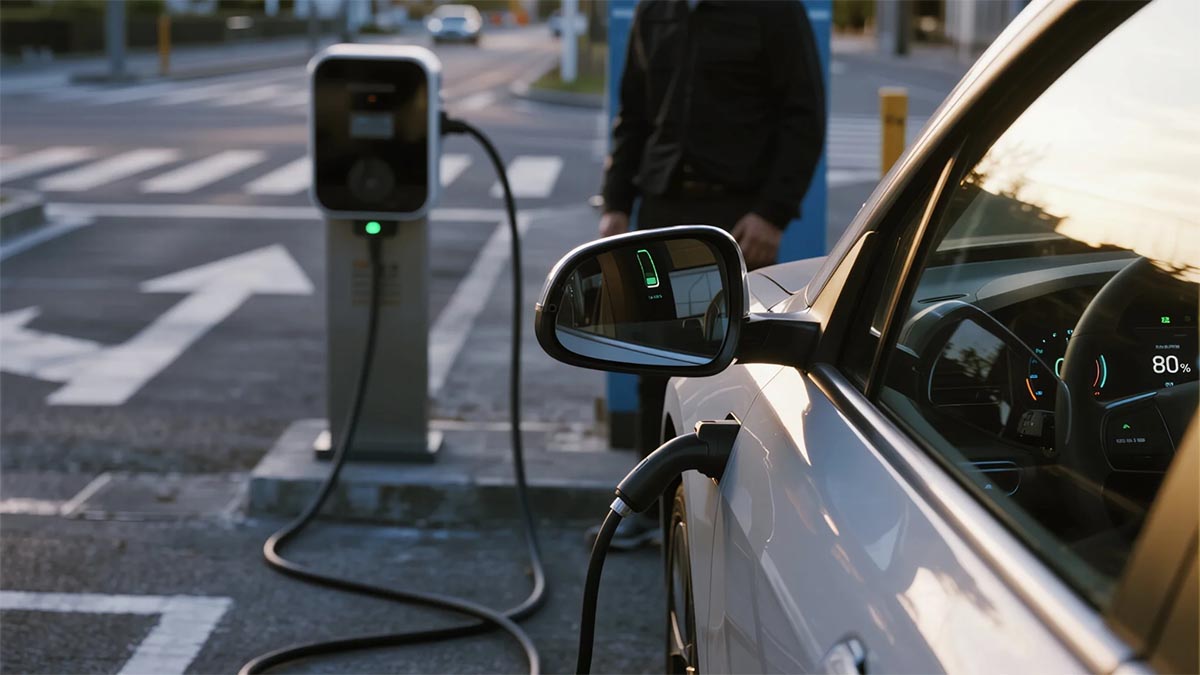
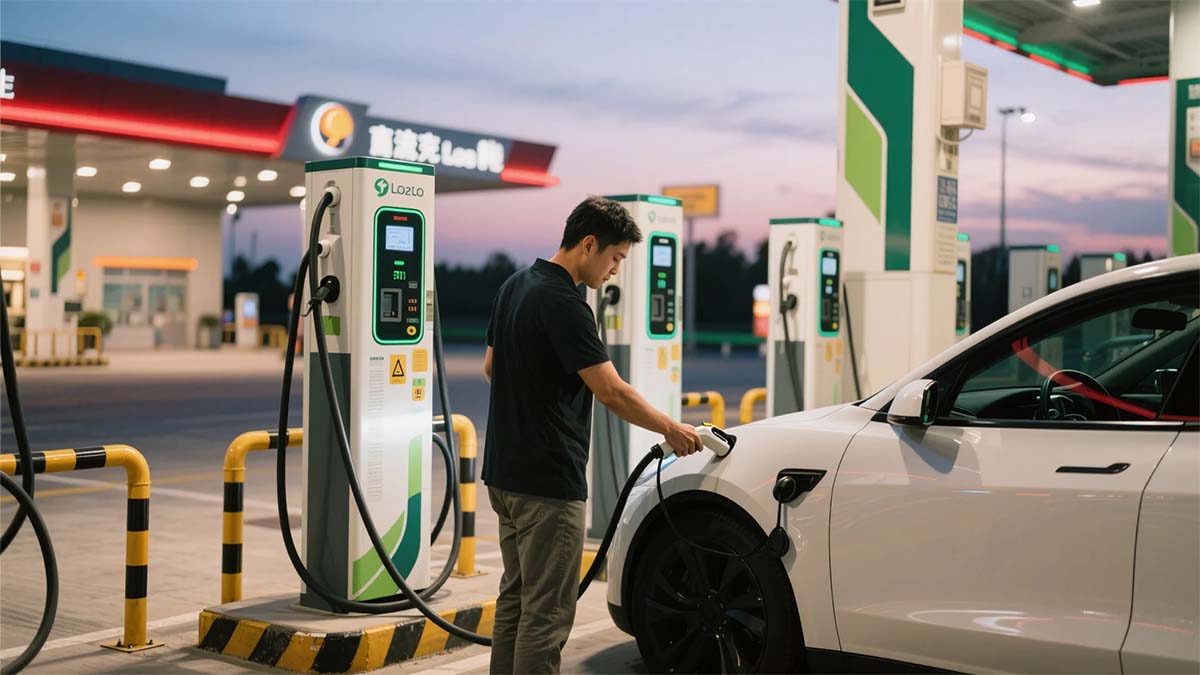
    The short answerCharging slows after roughly 80 percent because the car protects the battery. As cells fill up, the BMS shifts from constant current to constant voltage and trims the current. Power tapers, and each extra percent takes longer. This is normal behavior.   Related articles: How to Improve EV Charging Speed (2025 Guide)     Why the taper happens Voltage headroomNear full, cell voltage approaches safe limits. The BMS eases current so no cell overshoots. Heat and safetyHigh current makes heat in the pack, cable, and contacts. With less thermal margin near full, the system reduces power. Cell balancingPacks have many cells. Small differences grow near 100 percent. The BMS slows down so weaker cells can catch up.     What drivers can do to save time• Set the fast charger in the car’s navigation to trigger preconditioning.• Arrive low, leave early. Reach the site around 10–30 percent, charge to the range you need, often 70–80 percent.• Avoid paired or busy stalls if the site shares cabinet power.• Check the handle and cable. If they look damaged or feel very hot, switch stalls.• If a session ramps poorly, stop and start on another stall.   When going past 80 percent makes sense• Long gap to the next charger.• Very cold night and you want a buffer.• Towing or long climbs ahead.• The next site is limited or often full.     How sites influence the last 20 percent• Power allocation. Dynamic sharing lets an active stall take full output.• Thermal design. Shade, airflow, and clean filters help stalls hold power in summer.• Firmware and logs. Current software and trend checks prevent early derates.• Maintenance. Clean pins, healthy seals, and good strain relief lower contact resistance.     Tech note — Workersbee On high-use DC lanes, the connector and cable decide how long you can stay near peak. Workersbee’s liquid-cooled CCS2 handle routes heat away from the contacts and places temperature and pressure sensors where a technician can read them fast. Field-replaceable seals and clear torque steps make swaps quick. The result is fewer early trims during hot, busy hours.     Quick diagnostic flow Step 1 — Car• SoC already high (≥80 percent)? Taper is expected.• Battery cold or hot message? Precondition or cool, then retry. Step 2 — Stall• Paired stall with a neighbor active? Move to a non-paired or idle stall.• Handle or cable very hot, or visibly worn? Switch stalls and report it. Step 3 — Site• Hub packed and lights cycling? Expect reduced rates or route to the next site.     80%+ behavior and what to do Symptom at 80–100% Likely cause Quick move What to expect Sharp drop near ~80% CC→CV transition; balancing Stop at 75–85% if time matters Quicker trips with two short stops Hot day, early trims Thermal limits in cable/charger Try shaded or idle stall More stable power Two cars share one cabinet Power sharing Pick a non-paired stall Higher and steadier kW Slow start, then taper No preconditioning Set charger in nav; drive a bit longer before stop Higher initial kW next try Good start, repeated dips Contact or cable issue Change stalls; report handle Normal curve returns      FAQ Q1: Is slow charging after 80% a charger fault?A: Usually not. The car’s BMS tapers current near full to protect the battery. That said, you can rule out a bad stall in under two minutes:• If you’re already above ~80%, a falling power line is expected—move on when you have enough range.• If you’re well below ~80% and power is abnormally low, try an idle, non-paired stall. If the new stall is much faster, the first one likely had sharing or wear issues.• Visible damage, very hot handles, or repeated session drops point to a hardware problem—switch stalls and report it.   Q2: When should I charge past 90%?A: When the next stretch demands it. Use this simple check:• Look at your nav’s energy-at-arrival for the next charger or your destination.• If the estimate is under ~15–20% buffer (bad weather, hills, night driving, or towing), keep charging past 80%.• Sparse networks, winter nights, long climbs, and towing are the common cases where 90–100% saves stress.   Q3: Why do two cars on one cabinet both slow down?A: Many sites split one power module between two posts (paired stalls). When both are active, each gets a slice, so both see lower kW. How to spot it and fix it:• Look for paired labels (A/B or 1/2) on the same cabinet, or for signage explaining sharing.• If your neighbor plugs in and your power falls, you’re likely sharing. Move to a non-paired or idle post.• Some hubs have independent cabinets per post; in those cases, pairing isn’t the cause—check temperature or the stall’s condition instead.   Q4: Do cables and connectors really change my speed?A: They don’t raise your car’s peak, but they decide how long you can stay near it. Heat and contact resistance trigger early derates. What to watch:• Signs of trouble: a handle that’s very hot to the touch, scuffed pins, torn seals, or a cable that kinks sharply.• Quick fixes for drivers: pick a shaded or idle stall, avoid tight bends, and switch posts if the handle feels overheated.• Site practices that help everyone: keep filters clear and air moving, clean contacts, replace worn seals, and use liquid-cooled cables on high-traffic, high-power lanes to hold current longer.

    Read More
  • How to Improve EV Charging Speed (2025 Guide) How to Improve EV Charging Speed (2025 Guide)

    Sep 10, 2025
    Glossary • SoC: battery state of charge, shown as a percentage.• Charge curve: how power rises, peaks, then tapers as SoC increases.• Preconditioning: the car warms or cools the battery before a fast charge so it’s at the right temperature.• Peak power: the maximum kW your car can draw, usually only for a short burst.• Power sharing: a site splits power between stalls when many cars plug in.• BMS: the car’s battery management system that keeps the pack safe and sets charging limits.     Why is the same car fast today and slow tomorrowThree scenes explain most slow sessions. 1. Cold morning. You may arrive with the cabin toasty but the battery still cold, and the car will reduce charging power to protect the cells.   2. Hot afternoon. Cable and electronics run hot. The system reduces power to hold safe temperature.   3. Busy site. Two or more stalls pull from the same cabinet. Each car gets a slice, so your power drops.     The charge curve explained Fast at low SoC, slower near full. Most cars charge quickest below roughly 50–60 percent, then taper as they pass 70–80 percent. The last 10–20 percent is the slowest part. If you need to save time, plan for short stops in the fast zone instead of one long session to near 100 percent.       What drivers can control in minutes• Navigate to the fast charger in your car’s system before you set off. This triggers battery preconditioning on many models.• Arrive low, leave smart. Reach the site around 10–30 percent, charge to the range you need, often 70–80 percent, then go.• Pick the right stall. If cabinets are labeled A–B or 1–2, choose a stall that is not paired or not in use.• Check the handle and cable. Avoid damaged connectors, tight kinks, or hot-to-the-touch cables.• Avoid back-to-back heat. If your car or the cable feels hot after a long drive, a five-minute cool-off with the car in Park can help the next ramp.     What site owners can control• Available power. Size cabinets and grid feed for peak times, not only averages.• Power allocation. Use dynamic sharing so a single active stall gets the full output.• Thermal design. Keep inlets, filters, and cable routing clear; add shade or airflow in hot climates.• Firmware and logs. Keep charger and CSMS software up to date; watch for stalls that derate early.• Maintenance. Inspect pins, seals, strain relief, and contact resistance; swap worn parts before they cause drop-offs.     Quick diagnostic path when charge is slower than expectedStep 1 — Check the car:• SoC above 80 percent → taper is normal; stop early if time matters.• Battery too cold or too hot warning → start preconditioning, move the car into shade or out of wind, retry. Step 2 — Check the stall:• Paired stall light is active or neighbor is charging → move to an unpaired or idle stall.• Cable or handle feels very hot, or visible damage → switch to another stall and report it. Step 3 — Check the site:• Many cars waiting, site at capacity → accept a reduced rate or route to the next hub on your path.     Action plan scorecard Situation Quick move Why it helps Typical result Arrive with high SoC Stop sooner; plan two short stops Stays in the fast zone of the curve More kWh per minute overall Cold battery in winter Precondition via car navigation Brings cells into the optimal window Higher initial kW Hot cable or stall Change to a shaded or idle stall Lowers thermal stress on hardware Less thermal derate Paired stalls are busy Pick an unpaired cabinet output Avoids power sharing More stable power Unknown slow-down cause Unplug, replug after 60 seconds Resets session and handshake Recover lost ramp     Cold and hot weather tipsWinter: Start preconditioning 15–30 minutes before arrival. Park out of strong wind while waiting. If you do short hops between chargers, the pack may never warm up; plan one longer drive before your fast stop.Summer: Shade matters. Canopies reduce heat on chargers and cables. If you tow or climb hills before charging, give the car a short cool-off with HVAC on but drive unit at rest.     How connectors and cables affect your speed windowThe charger cabinet sets the ceiling, and your car sets the rules, but the connector and cable decide how long you can stay near peak power. Lower contact resistance, clear heat paths, and good strain relief help the system hold current without early derating. In high-traffic sites, liquid-cooled DC cables widen the usable high-power window, while naturally cooled assemblies work well at moderate currents with simpler upkeep. Workersbee focus: Workersbee liquid-cooled CCS2 connector uses a tightly managed thermal path and accessible sensor layout to help sites hold higher current longer, with field-serviceable seals and defined torque steps for quick swaps.     Operations playbook for site owners• Design for the dwell you promise. If you market 10–80 percent in under 25–30 minutes for typical cars, size your cabinets and cooling for warm days and shared use. • Map cabinet-to-stall pairing in your signage. Drivers should know which stalls share a module. • Add human factors. Cable length, reach angles, and parking geometry change how easily drivers plug and route the cable. Shorter, slimmer cables reduce mishandling and damage. • Build a five-minute inspection. Look for pitted pins, loose latches, torn boots, and hot spots on thermal cameras during peak hours. Log any stall that tapers too early. • Keep spares ready. Stock handles, seals, and strain relief kits so a tech can restore full speed in one visit.     Common myths, clarifiedMyth: A 350 kW charger is always faster than a 150 kW unit.Reality: It depends on your car’s max accept rate and where you are on the charge curve. Many cars never draw 350 kW except for a short spike.   Myth: If power drops after 80 percent, the charger is faulty.Reality: Taper near full is normal and protects the battery. Stop early if you are in a hurry.   Myth: Cold weather always means slow charging.Reality: Cold plus no preconditioning is slow. With preconditioning and a longer drive before your stop, many cars can still charge briskly.     Driver checklist•  Set the fast charger as your destination in the car’s navigation so preconditioning starts automatically.• Arrive low, leave around 70–80 percent if time is key.• Choose an idle, non-paired stall.• Avoid damaged or overheated cables.• If speed is poor, unplug and retry on another stall.     Light maintenance cues for attendants• Clean and check the connector’s pins and seals every day.• Keep cables off the ground and avoid tight bends along the run.• Note stalls that show early derate or frequent retries; schedule a deeper check.• Review logs weekly for temperature alarms and handshake errors.     What this means for fleets and high-use sitesFleets live on predictable turn-times. Standardize driver behavior, keep the fastest stalls clearly signed, and protect thermal performance with shade and airflow. If you operate mixed hardware, tag which stalls hold current longest during summer peaks and route queuing there first. Workersbee can help by matching connector and cable sets to your cabinet ratings and climate. Workersbee naturally cooled and liquid-cooled assemblies are built for repeatable handling and quick field service, which supports consistent dwell times during busy hours.     Key takeaways• Charging speed follows a curve, not a single fixed number. Use the fast zone and avoid the slow tail.• Temperature and sharing are the two biggest hidden factors.• Small habits make big differences: precondition, arrive low, pick the right stall.• For sites, thermal design and upkeep keep high current alive longer.
    Read More

Need Help? leave a message

Leave A Message
Submit

home

products

whatsApp

contact